
EV Charger Installation Services
- Services
- Service Changes & Infrastructure Updates
- EV Charger Installation Services
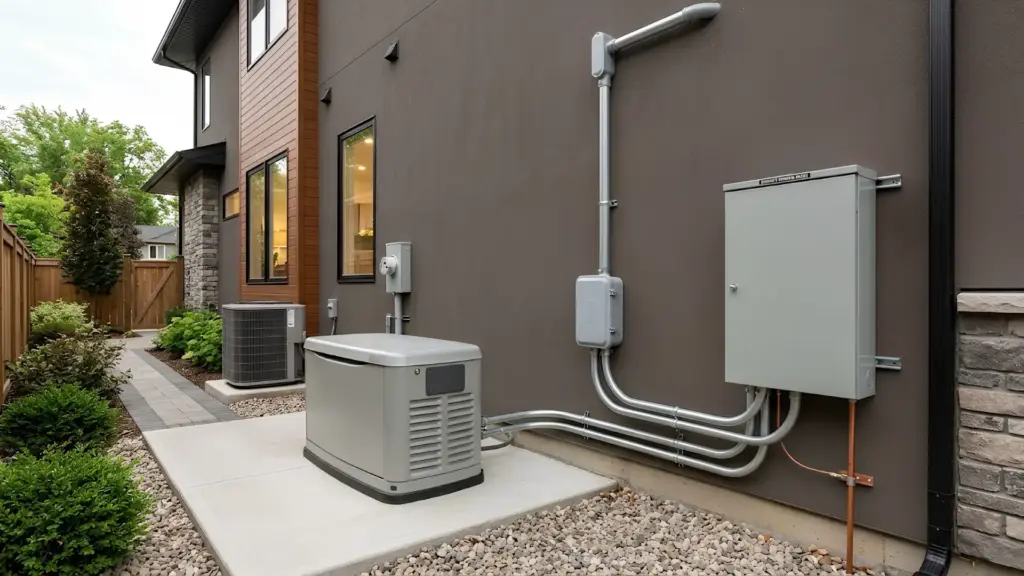
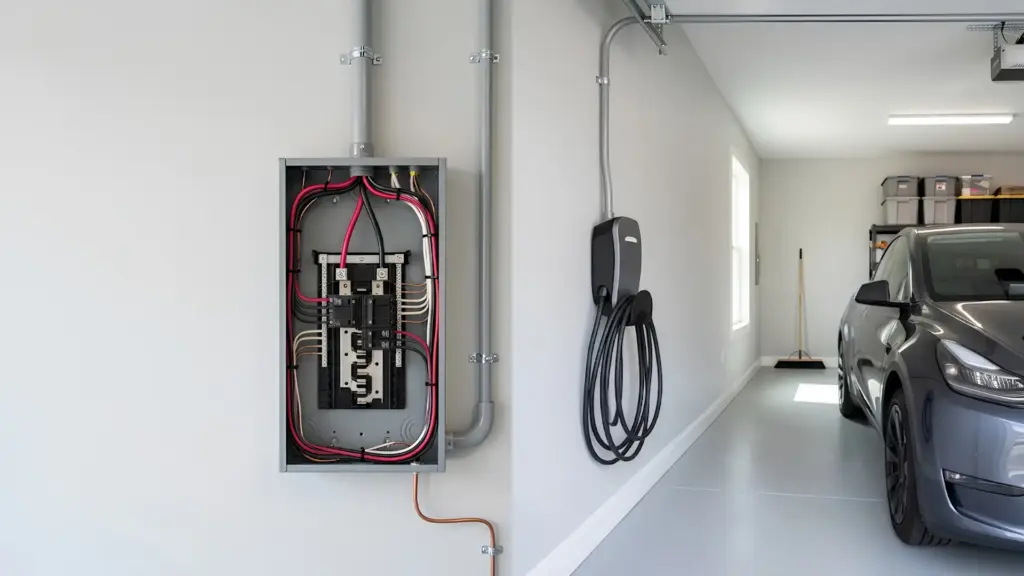
Safe, heavy power flow
Why Is Professional EV Charger Installation Essential?
High-power electric vehicle chargers demand dedicated high-amperage 240-volt circuits, heavy-gauge wiring, and precise load management. Unrated connections, DIY hookups, or standard 120V wall outlets can cause extremely slow charge times, frequent main panel overloads, and severe electrical fire risks.
HB Electric Solutions provides professional EV charger home installation and commercial setup services across Pierce County and South King County. As licensed residential and commercial electricians, our team ensures your electric vehicle charges rapidly, reliably, and safely without overloading your property’s electrical system.
Services We Offer
What’s Included in Our EV Charger Installation Services?
We manage every technical phase of vehicle charger integration, ensuring your home or business power system safely supports heavy charging loads.
Level 2 EV Charger Setup
Installing dedicated 240-volt Level 2 fast-charging stations cuts charging times by up to 80% compared to standard 120-volt wall outlets.
- Dedicated 240-volt branch circuit installations for all major EV makes and models (Tesla, Rivian, Ford Lightning, Chevy, Hyundai, and more).
- Expert EV charger home installation featuring hardwired wall mounts or industrial-grade NEMA 14-50 receptacles engineered for maximum charging speeds.
- Main panel load evaluations to verify available amperage and prevent overload trips during charging cycles.
Hardwired Chargers vs. NEMA 14-50 Outlet Hookups
Depending on your EV brand, daily driving needs, and installation location, we install both hardwired chargers and high-grade 240V plug-in circuits.
- Hardwired Charger Installations: Deliver maximum power output (up to 48-50 amps continuous draw) for faster charging.
- NEMA 14-50 Receptacles: Offer plug-and-play versatility for portable charging cables or rental properties.
- Weatherproof Outdoor Drops: Heavy-duty, weather-sealed conduits designed for outdoor driveway, carport, or commercial parking lot mounting.
Load Management & Circuit Protections
Balancing high-draw equipment prevents unexpected outages and shields sensitive charger microprocessors.
- Smart EV load-management module installations to dynamically balance charger draw with real-time energy demand.
- Dedicated subpanel additions for multi-vehicle charging setups or expanded garage power capacity.
- Whole-panel surge protection integration to safeguard sensitive vehicle microprocessors and battery systems.
Smooth, safe setup steps
Our Step-by-Step Installation Process
We streamline your charging setup through a transparent three-step procedure:
01
Site Audit & Load Assessment
We evaluate your electrical panel, calculate total connected load, and select the optimal mounting location for your charger or 240V outlet.
02
Circuit Routing & Hardware Mounting
Our team runs heavy-gauge conductors through protective conduit, mounts charging hardware, and connects dedicated breakers.
03
Safety Verification & System Testing
We perform voltage testing, verify charging rates, and walk you through system operation to ensure complete confidence.
Fast answers to help
Frequently Asked Questions About EV Charger Installations
Can my current electrical panel support a Level 2 EV charger?
Level 2 chargers typically require a dedicated 40-amp to 60-amp, 240-volt circuit. Our electricians perform detailed load calculations to confirm whether your panel has sufficient spare capacity or whether you need a smart energy load manager or a panel upgrade.
Should I choose a hardwired EV charger or a NEMA 14-50 plug-in outlet?
Hardwired chargers generally allow for faster charging speeds (up to 48 amps continuous power) and provide cleaner, tamper-resistant indoor/outdoor mounting. NEMA 14-50 outlets offer flexibility if you want to unplug your charger and take it with you, but require industrial-grade commercial receptacles to handle continuous heavy electrical draw safely.
What if my electrical panel does not have enough capacity for an EV charger?
If your main panel is maxed out on total amperage, you don’t always need an expensive panel upgrade. We can install smart load-management devices that automatically throttle or pause EV charging whenever high-draw household appliances (like electric dryers or ovens) are running.
How long does an EV charger installation typically take?
Most standard Level 2 EV charger installations take 2 to 4 hours to complete. Installations requiring long conduit paths, subpanels, or complex panel adjustments may take additional time.
Book your install today
Schedule Your EV Charger Installation
Ensure your electric vehicle charges rapidly, safely, and efficiently. Contact HB Electric Solutions to schedule an on-site technical assessment with our licensed electricians.
Request Consultation
Call (253) 256-7861 or complete our online contact form to share details about your EV charger project.
On-Site Assessment
A licensed electrician inspects your electrical panel capacity, reviews installation locations, and delivers a clear project scope.
Expert Workmanship
Our licensed team completes your installation with clean workmanship, precise safety measures, and strict adherence to local electrical codes.